
Some know it as road tax, while others rightly call it VED (Vehicle Excise Duty) but car tax is something that all drivers are affected by in some shape or form. Since its inception in the early 20th century, car tax has been collected by the Government, though this process has evolved over time as our automotive technology has also developed.
Let’s get into the details of what car tax is and why it is we pay it…
| What is Car Tax? | What does Car Tax pay for? |
| What are the Car Tax changes from 2026? | How much is Car Tax? |
| How much is Electric Car Tax? | How do I tax a car? |
| Where did the tax disc go? | Car Tax FAQs |
What is car tax?
Car tax is more officially known as VED and was born out of a need to collect funds to look after our roads, as cars became more and more prevalent.
Starting out as a direct way to cover the cost of both the maintenance and creation of our road systems, car tax exists today as a cost to motorists – in essence – as a tax on your vehicle.
The term ‘Vehicle Excise Duty’ was established in 1936, and the system has evolved ever since, with the cost of car tax increasingly becoming a reflection of how efficient a vehicle is. As a result, regulations such as EU directives to have manufacturers build their cars with engines that meet certain standards have had a notable effect on car tax.
Vehicle Excise Duty, being based on emissions, has been around since 2001, and the calculations around it have moved with such changes in technology. For instance, in 2001, average new car emissions were 178g/km of CO2, but this figure has since dropped to circa 125g/km.
A balancing act of ensuring enough money is being brought into the government coffers, and the right kinds of cars paying certain amounts, is always at the forefront of what car tax is about, with updates happening every few years as a result.
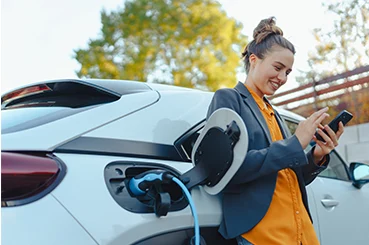
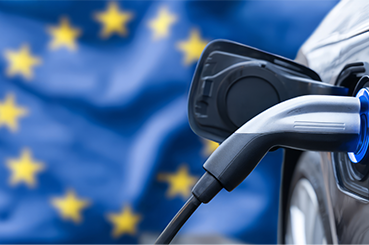
Car tax bands are also in place to reflect the effectiveness of creating strong signposting for environmental standards. However, electric cars used to be exempt, but this is no longer the case.
What does car tax pay for?
While many might believe the opposite, VED doesn’t go directly to local councils – or even the Department of Transport – in fact, it goes into the same pot of cash as your council tax and other such contributions.
So, while the DoT doesn’t get its funding directly from the public, the Government will allocate a yearly budget to the department for it to spend as required.
Effectively, car tax is not a road tax, but more a tax on the vehicle itself. Whenever you see roads getting repaired, it is not car tax paying for this – the cost allowance for this maintenance is worked out with the rest of the budget for the local council as a whole.
When it comes to the enhancement or creation of major road systems, meanwhile, the budget for this work comes out of the total budget handed to the Department of Transport by the Government.
What are the car tax changes from 2026?
Navigating VED rules can feel like a moving target. If you are buying a vehicle or renewing your tax this year, several key updates affect your total costs.
First-Year “Showroom Tax” Rates for New Cars (2026/2027)
When buying a brand-new car, your initial tax payment is based on tailpipe emissions:
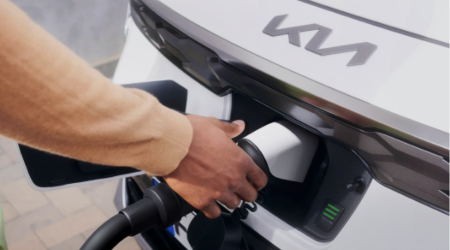
- Electric Vehicles (EVs): The first-year rate is frozen at £10 (a discount guaranteed through 2029).
- Plug-in Hybrids (1–50g/km CO₂): First-year tax is £115.
- Low-Emission Cars (51–75g/km CO₂): First-year tax is £135.
- High-Emission Cars (255g/km+ CO₂): First-year tax scales up aggressively to a maximum of £5,690.
Standard Rates (Year Two Onwards)
From the second year of registration onward, flat rates apply regardless of fuel type:
- All Post-2017 Vehicles: Petrol, diesel, hybrid, and pure electric cars all move to the standard £200 annual flat rate. (This includes EVs registered between April 2017 and March 2025).
- Hybrid Discount Removal: The historic £10 annual reduction for hybrid and alternative fuel vehicles remains permanently abolished.
The Expensive Car Supplement
Vehicles with an original list price above the designated threshold incur an additional £440 annual charge for five years (years two to six).
- Petrol, Diesel, and Hybrids: The threshold remains at £40,000 (total annual cost: £640).
- Electric Vehicles: The threshold is £50,000, applied retrospectively to EVs registered from April 2025 onward. Electric cars priced between £40,000 and £49,999 are exempt from the supplement and pay only the £200 standard rate.
Older Vehicles (Pre-2017)
Pre-2001 Registrations: Tax remains strictly based on engine size.
2001 to 2017 Registrations: Tax remains linked to CO₂ emissions bands, with sub-100g/km vehicles paying a minimum rate of £20.
How do I tax a car?
Buying a New or Used Car
Buying brand new? Your dealership will handle the initial car tax registration for you. Used cars work differently. You must arrange the tax yourself before driving away, though most dealers will happily help you set it up before you leave the forecourt.
Taxing a Car You Already Own
The DVLA will post a V11 reminder letter when your current tax is due. Do not lose it. This letter contains the reference number required to renew. The fastest way to pay is online via the official government portal. You can split payments monthly, pay every six months, or clear the balance for the whole year using a debit card, credit card, or Direct Debit.You can also pay at your local Post Office.
The process is straightforward, and you just need the reference number from one of the following:
- a recent reminder (V11) from the DVLA
- Your vehicle log book (V5C) – it must be in your name
If you’ve just bought a car privately, then you’ll also be able to use the reference from the green ‘new keeper’ slip that is from the car’s log book.
Where did the tax disc go?
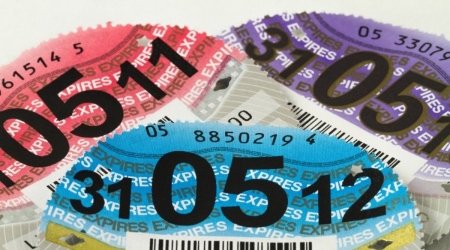
Anyone who was driving before 2014 may very well remember the physical tax disc that went in the corner of our windscreens. Due to the modernisation of monitoring car tax, such needs became obsolete, and so the tax disc quickly became a thing of the past.
Car Tax FAQs
When is my car tax due?
You can find this out on the Government’s online portal – you just need your vehicle’s registration to get started.
Can you tax a car without an MOT?
You will require a valid MOT certificate if you wish to get your car taxed, as driving without an MOT is illegal.
How to tax a car without a V5C document?
Renewing your road tax is straightforward. Simply grab the reference number from your DVLA V11 reminder letter.
Bought a car recently? If the full V5C logbook has not arrived in the post yet, do not worry. You can tax the vehicle immediately using the 12-digit reference number printed on your green ‘new keeper’ slip.
Can the police seize my car for having no tax?
The DVLA has devolved powers to the police and local authorities that allow them to seize untaxed vehicles, and take them to a compound where you’ll need to pay a fee to have it released, as well as provide evidence that you have subsequently taxed your vehicle.
Which cars are exempt from car tax?
Vehicles used by those who are disabled are able to claim disability exemption if they meet certain criteria. Meanwhile, vehicles that are used by organisations providing transport for disabled people are also exempt.
Historic vehicles over 40 years old do not have to pay car tax.
Electric vehicles are no longer exempt.
When was road tax abolished?
When Vehicle Excise Duty was brought in in 1936, ‘road tax’ was abolished, as the tax collection from motorists no longer directly paid for the cost of road maintenance.
Do buses pay tax?
Buses do pay VED, but at a discounted rate as they provide a public service.
Why don’t cyclists pay tax?
As previously explored, car tax isn’t a tax to use the roads or pay towards their maintenance – car tax is a tax on the vehicle. As such, cyclists do not need to pay tax as no equivalent taxation applies to bicycles.
Learn about how electric and hybrid cars work and how they help the environment with our comprehensive guide.
Discover emission-free driving with a new electric car through one of our various manufacturers. Plus, you can find some great deals on used electric cars which are more widely becoming available on the second-hand market.