
Do you have a stunning car that deserves to be showcased like a work of art? Professional car photography doesn’t have to be reserved for experts with expensive gear. With the right techniques and a little creativity, you can capture your car’s essence and personality in breathtaking shots.
We ran an Instagram competition to see how our followers do their own car photography. Winner @Towle92 and a few of our other runners-up have offered their own advice, so follow these steps for shooting professional car photography that you can do yourself.
1. Plan Your Shoot:
Before you start snapping away, take a moment to plan your shoot. Choose the location, time of day, and weather conditions that best complement your car’s style and colour.
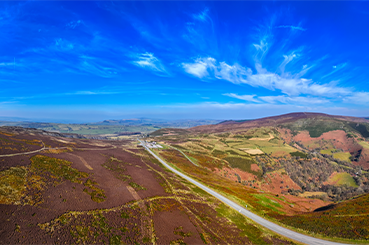
Scenic spots with interesting backgrounds like urban skylines, winding roads, or nature settings can add depth to your photos.
2. Gather Equipment (Smartphones vs. DSLRs):
You don’t need a five-figure kit to get magazine-quality shots. While a DSLR or mirrorless camera offers the most control, modern smartphones with Pro Mode or ProRAW capabilities are incredible tools.
- The “Magic” Filter: If you use a camera lens, invest in a Circular Polariser (CPL). It acts like sunglasses for your car, cutting out distracting glare on the windscreen and making the paint colour look deep and rich.
- Stability is Key: A tripod is essential for crisp shots in low light or for capturing “light trails” as the sun sets on a country road.
- Clean the Glass: Before shooting, wipe your phone or camera lens with a microfibre cloth. A single smudge can turn a sharp headlight into a blurry mess.
3. Detail Your Car:
Give your car a thorough wash and wax to make it shine. Pay attention to the wheels, tyres, and interior as well. Clean windows and mirrors will prevent unwanted reflections and smudges in your shots.
4. Lighting is Key:
Natural light is your best friend, but timing is everything.
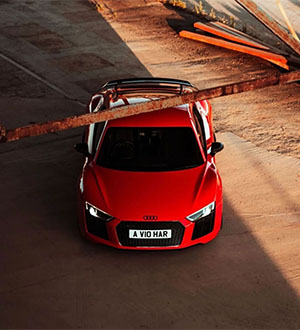
The “No-Go” Zone: As Instagram contributor @_ro.Visuals warns: “Never shoot in bright summer sunlight unless you want a bad time in post-processing.” Harsh midday sun creates “hot spots” on the paint and blacked-out shadows that hide the car’s design.
Golden Hour: The hour after sunrise or before sunset provides soft, orange light that emphasises the car’s curves and paintwork.
Blue Hour: Don’t pack up once the sun hits the horizon! The 20 minutes of deep blue twilight is the perfect time to turn on your car’s LED running lights for a high-end, “brooding” look.
5. Choose the Right Angles:
Experiment with various angles to capture your car’s most flattering features. Classic shots include a front three-quarter view, side profile, and rear three-quarter view.
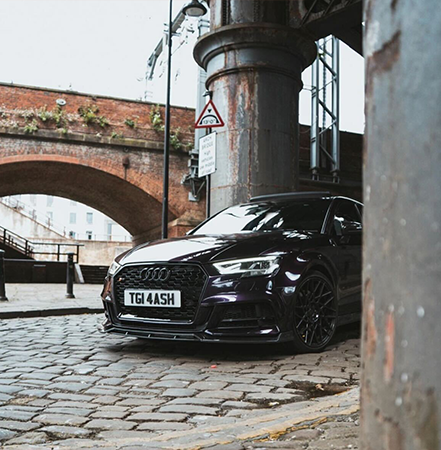
Capture close-ups of unique details like the logo, headlights, and exhaust pipes, as expressed by @shotby333. “It’s all about getting the angles people wouldn’t usually look for when looking at a car. Shooting head-on / full side is great, and I won’t knock it, but people see the car like that every day. You need to capture them with unique angles, such as low down, at an obscure angle. This way, the light reflects it in the best way. Also, using an ND filter on a camera is a plus, which blocks out unwanted reflections!”
6. Compose Thoughtfully:
Using the Rule of Thirds—placing your car at the intersection of a 3×3 grid—creates a balanced, professional feel. However, modern photography is all about “the find.”
- Unique Perspectives: @shotby333 suggests looking for angles others miss: “Get low down or at an obscure angle. People see cars from eye level every day; show them something different.”
- The “Low-Up” Shot: Runner-up @Sallyannjohnston notes that “getting down low and shooting upwards provides a great sense of scale.”
- Pro Digital Tip: Instead of just cranking up the saturation, shoot in RAW or ProRAW. This gives you the data to “recover” details in the shadows and highlights later without the photo looking grainy or “fake.”
7. Use Reflections Creatively:
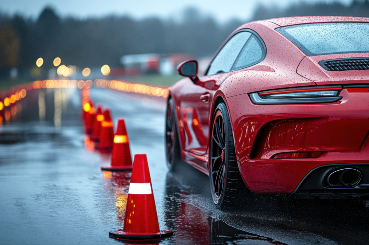
Use reflections to your advantage. Puddles, glass surfaces, and polished car bodies can add depth and uniqueness to your shots.
Experiment with different angles to capture interesting reflections that enhance the overall composition.
8. Master Your Camera Settings:
To truly capture a vehicle’s allure, you need to balance three main pillars. Experimenting with these will help you move from “snapping a pic” to “creating an image.”
| Setting | Purpose | The Effect |
| Aperture | Depth of Field | Use a low f-stop (e.g. f/1.8 or f/2.8) to blur the background and make the car “pop.” |
| Shutter Speed | Motion Control | Use a fast speed (1/1000s) to freeze a moving car, or a slow speed (1/60s) for artistic wheel blur. |
| ISO | Light Sensitivity | Keep this as low as possible (ISO 100) to ensure your photos stay crisp and “noise-free.” |
9. Post-Processing Magic:
Editing software like Adobe Lightroom or Photoshop can elevate your photos to the next level. Adjust exposure, contrast, saturation, and sharpness to fine-tune your images.
Be careful not to overdo it – a little enhancement goes a long way.
10. Tell a Story:
Great car photography isn’t just about the metal; it’s about the lifestyle. Capture your car in different scenarios to build a narrative.
As @Kezadamsz puts it: “Cars are memory makers. It’s not just about the big picture; it’s about the paintwork, the interiors, and the people who enjoy them. It’s about storytelling.” Whether it’s a muddy SUV in the woods or a clean coupe under city lights, make sure the environment matches the car’s personality.
11. Patience Pays Off:
Quality car photography takes time. Be patient and willing to reshoot if conditions aren’t ideal. Sometimes waiting for the perfect moment, as one of our competition runners-up @helendolan73 revealed, can result in stunning shots that make the effort worthwhile.
Winner of our competition, @Towle92 agrees, as they stated, “Be patient and wait for the shot. If you rush it won’t be anywhere near as good.” All good things come to those who wait!
12. Share and Celebrate:
Once you’ve captured the perfect shots, share them with pride! Post them on social media, automotive forums, or even consider creating a dedicated website or portfolio to showcase your car photography skills.
Remember, practice makes perfect. Don’t be discouraged if your first attempts don’t turn out as expected.
Over time, you’ll develop an eye for composition, lighting, and angles that truly capture the essence of your beloved car. With these tips in mind, you’re well on your way to creating your own professional-quality car photography that will impress everyone who sees it.
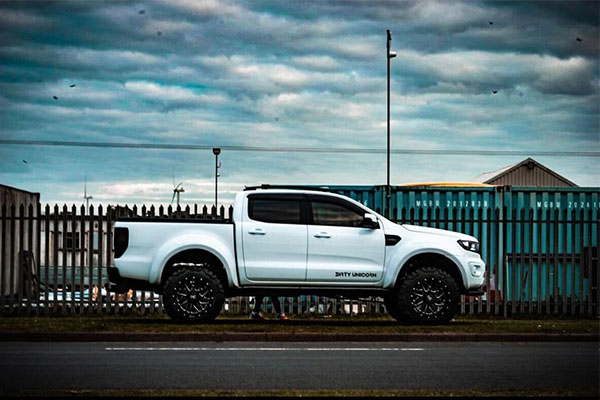
All images have been agreed by competitors to be featured in this blog.